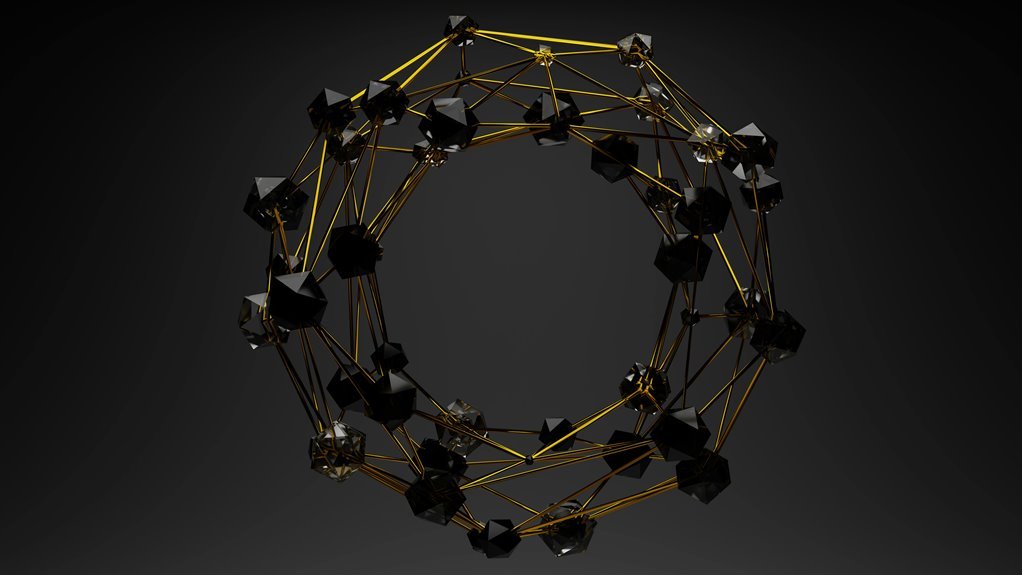
Cyber Node 2145508028 Quantum Prism functions as a disciplined intermediary in networked systems, coordinating protocols, data streams, and information flow. Its design emphasizes objective assessment, modular interfaces, and transparent interoperability. Quantum-inspired security and formal verification bolster data integrity and privacy while enabling cross-domain interaction. The approach supports phased pilots and scalable adoption, yet practical deployment poses integration and governance questions that invite careful scrutiny before broader implementation.
What Is Cyber Node 2145508028 Quantum Prism?
Cyber Node 2145508028 Quantum Prism refers to a defined digital or conceptual construct within a networked system, characterized by its role in processing, routing, or transforming quantum-augmented data.
The cyber node operates as an intermediary, coordinating protocols and data streams.
It embodies a disciplined framework for information flow, exemplifying objective assessment, modular design, and transparent interoperability across quantum prism architectures.
How Quantum-Inspired Prism Tech Improves Security and Privacy?
Quantum-inspired prism technology enhances security and privacy by leveraging principles from quantum information processing to strengthen data integrity, confidentiality, and resilience against emerging threats.
The approach embodies quantum inspired methods, enabling security by design and privacy by architecture through rigorous threat assessments, formal verification, and modular protocols.
Interoperability by compatibility ensures cohesive, adaptable defenses across heterogeneous systems and architectures.
Practical Use Cases: Data Flow, Interoperability, and Resilience
Practical use cases for data flow, interoperability, and resilience illustrate how quantum-prism concepts translate into tangible, operational benefits. The analysis identifies measurable improvements in data flow efficiency, robust interoperability protocols, and resilience security. Privacy considerations emerge through secure channelization and access governance. Adoption remains constrained by integration challenges and governance, yet methodical experimentation reveals scalable pathways and clearer benchmarks for cross-domain resilience and interoperability.
Challenges and Pathways to Adoption in Classical Networks
What obstacles hinder the integration of quantum-prism concepts into classical networks, and what practical pathways exist to overcome them?
The analysis identifies interoperability gaps, deployment cost, and latency as primary frictions.
Strategic pathways include modular integration, standardized interfaces, and phased pilots.
Emphasis on cyber defense and robust network topology informs security-by-design, scalable architectures, and measurable performance metrics for disciplined adoption.
Conclusion
The Cyber Node 2145508028 Quantum Prism embodies a measured convergence of structure and shimmer, where data flows reflect a disciplined lattice and security remains a vigilant sentinel. Like a quiet loom weaving cross-domain threads, its quantum-inspired safeguards and formal verifications hint at future coherence. Interoperability and resilience emerge as predictable byproducts of modular design, while adoption follows measured steps. In this cadence, the Prism stands as a proximate forecast: orderly yet anticipatory, a name whispered toward scalable trust.