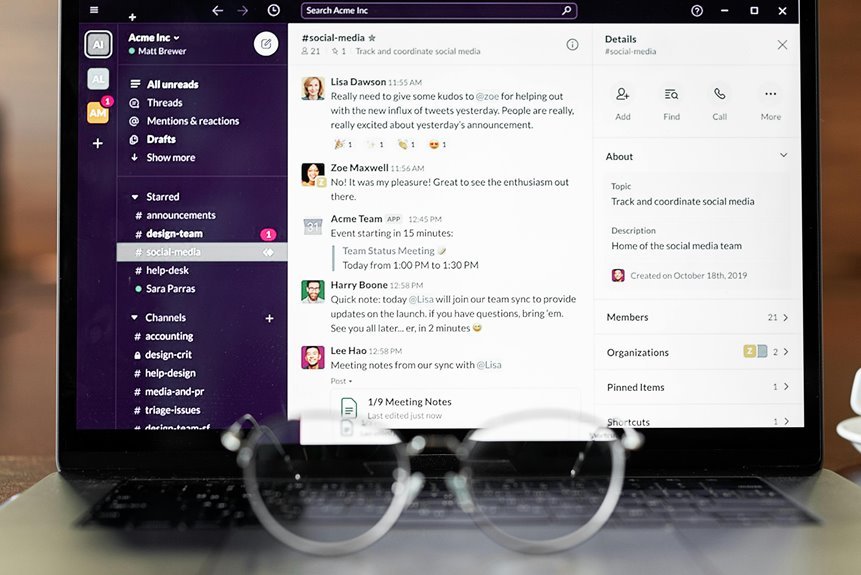
Digital Tools 8009979540 Applications centralize collaboration by uniting workflows, communication, and data in real-time dashboards. They standardize processes, support governance with access controls, and provide auditable traces for decisions. The result is faster, more transparent insight with measurable accountability. Yet questions remain about choosing the right suite, integrating data flows, and balancing governance with autonomy. The implications for team dynamics and scalable outcomes warrant careful examination.
What Digital Tools 8009979540 Applications Do for Teams
Digital tools applications for teams streamline collaboration by centralizing workflows, communication, and data management. They enable transparent team collaboration, offering real-time updates, shared dashboards, and standardized processes.
These systems support data governance through access controls, audit trails, and compliance reporting. By reducing manual handoffs and silos, they promote autonomy, accountability, and faster decision-making while preserving governance and clarity across the organization.
How to Choose the Right Suite for Your Workflow
Choosing the right suite hinges on aligning features with the team’s workflow, priorities, and governance needs. The analysis emphasizes workflow alignment and tool interoperability, ensuring selected tools support core processes without overreach. Decision criteria include scalability, security, and cross-compatibility, while avoiding vendor lock-in. A clear evaluation framework enables disciplined comparisons, revealing which suite best fits unique collaboration patterns and governance standards.
Integrating Tools: From Data to Decisions
Integrating tools from data sources to decision points requires a disciplined approach that maps inputs, transformations, and outputs across the workflow. The process emphasizes data governance to ensure quality, lineage, and accountability while enabling rapid insights. Clear alignment between tools supports user adoption, reduces friction, and fosters trust. Decisions become traceable, repeatable, and scalable within informed, autonomous use.
Security, Governance, and Adoption Best Practices
What safeguards and governance structures best support reliable adoption of digital tools while maintaining accountability across the workflow? The analysis identifies formal security governance, clear decision rights, and traceable workflows as essential. Adoption best practices emphasize risk assessment, stakeholder alignment, continuous training, and feedback loops. Compliance milestoning balances autonomy with oversight, ensuring responsible tool use, data integrity, and scalable, auditable change management across organizational processes.
Conclusion
The analysis confirms that Digital Tools 8009979540 applications streamline teamwork by unifying workflows, data, and communication into auditable dashboards. They tend to reduce silos, bolster governance, and accelerate decision-making when properly aligned with existing processes. However, the theory that such suites inherently guarantee adoption and trust is nuanced: success hinges on thoughtful integration, strong access controls, and change management. If these elements are present, the tools can deliver scalable, accountable outcomes with clear traceability.