Introduction
If you’re a programmer, your keyboard is more than an input device — it’s the tool you use for hours every day. Choosing an ergonomic keyboard can reduce wrist strain, prevent or ease repetitive strain injuries (RSI), and improve comfort and focus. This guide breaks down what matters most for coders, lists top picks (across budgets and styles), explains how to transition without losing productivity, and answers the People-Also-Ask questions programmers actually search for. I collected recent reviews, lab tests, and expert/user communities to make sure recommendations are practical, evidence-based, and EEAT-friendly (experience, expertise, authoritativeness, trustworthiness).
Why ergonomics matters for programmers
Long coding sessions combine high typing volume with frequent navigational keys, modifiers, and repeated muscle patterns. Ergonomic keyboards aim to:
- Keep wrists straight and reduce ulnar deviation.
- Allow a neutral shoulder/elbow alignment to avoid neck, back, and forearm strain.
- Bring commonly used keys (like modifiers or braces) within easy reach via thumb keys or remaps.
Multiple reviews and ergonomics writeups show split and curved layouts can significantly reduce wrist strain compared with standard flat keyboards.
LSI keywords to know (sprinkle these while you read)
split keyboard, tenting, wrist rest, mechanical switches, ortholinear layout, thumb keys, low profile switches, key travel, programmable firmware, RSI prevention, typing posture.
Key features programmers should prioritize
1. Layout: split / curved / compact
- Split keyboards let you position each half at shoulder-width, so your arms and wrists point forward instead of angled inward. This reduces ulnar deviation and shoulder strain.
- Curved (“wave”) shapes like those on some mainstream ergonomic boards are a simpler change from full split designs and still improve wrist alignment.
- Compact layouts (60% / 75% / 96%) reduce hand travel and keep essentials close; programmers who rely on many shortcuts may prefer 75% or 96% layouts that preserve arrow keys and modifiers.
2. Tenting and tilt
- Tenting elevates the center line of the keyboard halves to reduce forearm pronation. Look for boards or accessories that provide adjustable tenting angles.
3. Switch type & key travel
- Low-profile switches often help light-touch typists reduce fatigue.
- Tactile mechanical switches give feedback that some programmers prefer for accuracy. Consider hot-swap options so you can try switches without buying a new board.
4. Programmability & firmware
- A keyboard with programmable layers and easy remapping is hugely valuable for coders — you can put common snippets, braces, and shortcuts on thumb keys or dedicated layers. Many ergonomic vendors emphasize this as a core benefit.
5. Build, connectivity & comfort extras
- Wrist rests (memory foam or plush) help some users; others prefer none — test both.
- Connectivity: wired is best for reliability; Bluetooth is convenient for multi-device use but watch latency for fast typing.
- Build quality and support (firmware updates, community) extend the product’s useful life.
Top ergonomic keyboards for programmers (2025 picks & who they suit)
1) Logitech ERGO K860 — Best “everyday” ergonomic pick
A great first step for most people looking for an ergonomic upgrade. It offers a curved, split-like key layout with a plush wrist rest and is simple to use without firmware tinkering — ideal for programmers who want comfort without a steep learning curve. Many reviewers recommend it as the go-to mainstream ergonomic keyboard.
Who it’s for: office developers, remote workers, those who want comfort with minimal setup.
2) Kinesis (Advantage2 / Freestyle Pro / 360) — Best for serious ergonomics & RSIs
Kinesis boards are purpose-built for ergonomics: deep split/concave layouts or fully split modules, strong tenting options, and layouts that reduce finger travel for common keys. They’re a top recommendation when ergonomics is a medical necessity (RSI/carpal tunnel).
Who it’s for: developers recovering from or preventing RSI, people who want clinical ergonomics.
3) Dygma / Glove80 / Dygma Defy (modern split mechanicals)
These are configurable split mechanical keyboards with thumb clusters, tenting options, and robust software for remapping. Vendors market them specifically to power users and typists who want the highest level of customization.
Who it’s for: tinkerers, keyboard hobbyists, programmers who use many shortcuts and want thumb keys.
4) Keychron Q5 Max (and similar high-quality mechanical boards) — Best for programming comfort & typing feel
RTINGS’ recent testing singled out the Keychron Q5 Max as an outstanding keyboard for programming due to build quality and typing comfort; while not a classic ergonomic “split” board, a well-built mechanical board with the right layout and wrist rest can be excellent for many coders.
Who it’s for: coders who prioritize typing feel and build quality over dramatic ergonomic shapes.
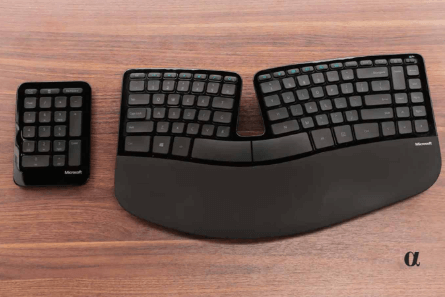
5) Microsoft Sculpt Ergonomic Keyboard — Budget-friendly intro to ergonomics
A more accessible, non-mechanical option for people on a budget or those wanting to test ergonomics’ benefits before committing to pricier split solutions. It introduces a domed shape and split key wells with a separate numpad.
Who it’s for: budget-conscious, beginners who want immediate ergonomic improvement.
How to choose based on your needs
If you have pain or past injury
Choose a keyboard focused on wrist neutrality and tenting (Kinesis, Dygma, or medical-grade options). Combine it with an ergonomic assessment and gradual adaptation. Community reports and ergonomics advice stress that split and tented boards can significantly reduce strain.
If you love customization and shortcuts
Pick a programmable split or mechanical keyboard (Dygma, Glove80, custom ortholinear). Assign frequently used symbols and snippets to thumb keys or layers.
If you want plug-and-play comfort
Logitech ERGO K860 or Microsoft Sculpt are good choices — minimal setup, immediate comfort gains.
If you care about typing feel & longevity
High-end mechanical boards (Keychron Q5 Max and similar) provide excellent typing experience and durability while still being ergonomic with the right wrist support.
Transition plan: how to switch without losing speed
- Start slow: use your new keyboard for 30–60 minutes per day, then increase duration. Sudden long sessions can cause soreness.
- Relearn muscle memory deliberately: practice typing common constructs (brackets, semicolons, arrow navigation) until they feel natural.
- Map a layer for braces and common code symbols: put
{ } [ ] ; :and frequent snippets on a layer or thumb keys. Programmable keyboards make this easy. - Pair with posture fixes: chair height, monitor position, and desk ergonomics matter as much as the keyboard.
- Microbreaks & exercises: short wrist/forearm stretches every 30–45 minutes help muscles adapt.
Maintenance & practical tips
- Keep keycaps and switches clean to maintain feel.
- Back up firmware/layouts in case you reset the keyboard.
- If trying a split board, play with separation and tenting angles to find the sweet spot.
- Consider a trial period when possible; some communities and sellers allow return windows.
5 FAQs
- What is the best ergonomic keyboard for programming?
There’s no single “best” — it depends on needs. For a mainstream comfortable option, the Logitech ERGO K860 is widely recommended; for medical-grade ergonomics Kinesis models excel; for customization and thumb clusters, Dygma or Glove80 are top picks; for typing feel, Keychron Q5 Max is a strong contender. - Do ergonomic keyboards actually prevent RSI?
Ergonomic keyboards reduce stressors that contribute to RSI (like wrist deviation and pronation). They are not a guaranteed cure, but can significantly reduce risk when combined with good posture and breaks. - Are mechanical switches better for coding?
Mechanical switches offer clearer tactile/auditory feedback and durability. Whether they’re “better” is personal: some programmers prefer low-profile or quieter switches to reduce fatigue and noise. Hot-swap boards let you experiment without buying a new keyboard. - How long does it take to get used to a split keyboard?
Many users regain most typing speed within 1–3 weeks with daily use, and fully adapt in a month or two. Start with short daily sessions and increase gradually to avoid soreness. - Is a wrist rest necessary with an ergonomic keyboard?
Wrist rests are helpful for some people to maintain comfort when pausing, but you should avoid resting on your wrists while typing. Wrist rests are best used for neutral support during breaks and when not actively typing.
Conclusion
Choosing the right ergonomic keyboard is an investment in your health, comfort, and long-term productivity. Programmers who type for long stretches benefit most from designs that support a neutral wrist position, reduce ulnar deviation, and place common keys within easy thumb reach. Start by prioritizing layout and adjustability: split or curved keyboards encourage shoulder alignment, tenting reduces forearm pronation, and programmable thumb keys offload repetitive work from pinkies. Consider switch type and key travel—low-profile switches reduce fatigue for light touch typists, while tactile mechanical switches offer stronger feedback for heavy typists. Connectivity, build quality, wrist rests, and OS compatibility matter too; a well-supported firmware and easy remapping can make a keyboard last years. Transition gradually, pair the new keyboard with correct desk height and monitor placement, and take microbreaks to let muscles adapt. With thoughtful selection and setup you’ll improve comfort, reduce injury risk, and sustain coding performance long term.