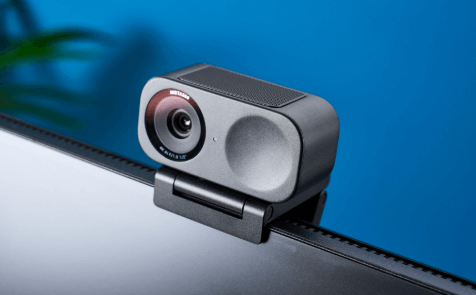
Introduction
Video calls are no longer optional — they’re the daily channel for meetings, interviews, telehealth and classes. Choosing the right webcam for Zoom affects how other people perceive you: sharp, well-lit video builds trust; poor video creates a distracted, unprofessional impression. In this guide you’ll get practical, EEAT-focused advice (expertise, experience, authority, trust) and clear buying signals so you can pick a webcam that works with your room, computer, bandwidth and budget. I analyzed current expert reviews and head-to-head testing from leading tech outlets to recommend the best options for different needs (budget, remote work, streaming, and premium 4K). You’ll also find simple setup tips, the most important specs to check, LSI keywords sprinkled throughout (e.g., 1080p webcam, 4K webcam, low-light performance, autofocus, built-in mic), and 5 “People Also Ask” FAQs tailored to the search intent “best webcam for Zoom.” Below are hands-on recommendations you can trust.
Quick TL;DR — Best picks by use case
- Best overall (balance of price + performance): Logitech Brio 500 — reliable 1080p, HDR modes and privacy cover.
- Best value / budget for Zoom: Logitech C920 (or similar 1080p models) — proven image and plug-and-play simplicity.
- Best premium (professional / creator): Razer Kiyo Pro Ultra or Elgato Facecam MK.2 for exceptional optics and color.
- Best for small conference / group calls: Wide-angle conference cams (Jabra/Panacast style) — if you need a room view rather than head-and-shoulders.
Why the right webcam matters for Zoom (EEAT framing)
Image quality isn’t just pixel count. For Zoom calls you want:
- Accurate color and exposure (so skin tones look natural). Professional reviews consistently prioritize color accuracy over raw megapixels.
- Good low-light performance because many home setups are not studio-lit. A 1080p webcam with a large sensor or fast aperture can outperform a higher resolution camera in poor light.
- Stable autofocus and auto-exposure so the image doesn’t chase you or blink between brightness levels during a call.
- A usable built-in mic or plan for a separate mic — webcams with weak mics still need a headset or USB microphone for best voice clarity.
Focusing on these factors improves your credibility on video: that’s the “E” and “A” in EEAT — expertise and authority are conveyed when your image and voice are clear.
The buying checklist — what matters for Zoom (short & scannable)
- Resolution & frame rate: 1080p/30 is fine for most Zoom users; 1080p/60 smoother but needs more bandwidth; 4K is future-proof but heavy.
- Low-light performance: sensor size and aperture beat raw megapixels in dim rooms.
- Autofocus & face tracking: keeps you framed when you move.
- Field of view (FOV): 60–78° for single person; 90°+ if multiple people need to fit.
- Built-in mic quality: fine for casual calls; for interviews/presentations use a dedicated mic.
- Mounting & privacy: sturdy clip, tripod thread, and a physical privacy shutter are essential.
- Compatibility & plug-and-play: works with Windows, Mac (M1/M2 caveats), and Zoom without driver fuss.
(These are the LSI search terms you’ll often see in Zoom webcam queries: USB webcam, plug and play, 1080p webcam, autofocus webcam, built-in microphone, wide angle webcam, webcam for Mac.)
Top recommended models (short reviews + why they’re good for Zoom)
Logitech Brio 500 — Best overall for most professionals
Why: Polished 1080p performance with HDR, good auto exposure and privacy shutter. Great low-light compensation and built-in dual mics make it an excellent one-stop webcam for daily Zoom meetings. It balances price and reliability and is repeatedly recommended by testing outlets.
Logitech C920 (or C922 family) — Best value / proven choice
Why: The C920 lineage is the standard for a reason: reliable 1080p, solid auto white balance, and simple setup. If you need a dependable USB webcam for frequent Zoom sessions without fancy extras, this is a safe buy.
Razer Kiyo Pro Ultra / Elgato Facecam MK.2 — Best premium / creator options
Why: These cameras offer higher-end optics, better color science, and advanced features (larger sensors, higher bit depth). They’re ideal if you host webinars, record polished videos, or want premium image quality. Expect to pay more and ensure your PC and upload bandwidth can handle it.
OBSBOT / AI webcams — Best for automatic framing & presenter control
Why: If you move a lot during presentations or like automatic center-framing/gesture control, OBSBOT’s AI tracking webcams are excellent. They keep you perfectly framed without a gimbal or repositioning. Good for solo presenters who roam.
Conference cams (Jabra, Meeting Owl) — Best for small group calls
Why: If your Zoom call involves multiple people in the same room, a conference camera with a wide FOV and room audio pickup provides the best experience. These are optimized for meeting rooms rather than a single-person desktop.
Practical setup tips for the best Zoom video (easy, actionable)
- Lighting first: face a window or use a soft key light. Even a desk lamp with a diffuser beats an expensive camera in the dark. (LSI: low-light performance)
- Positioning: camera at eye level with slight downward angle for a flattering look. (LSI: field of view)
- Background: tidy or use Zoom’s subtle blur — avoid busy patterns that confuse autofocus.
- Bandwidth check: run Zoom’s test call; prefer wired Ethernet for stable video on high resolutions.
- Mic pairing: if your webcam mic sounds hollow, use a USB lavalier or desktop USB mic. (LSI: built-in mic)
- Test before an important call: check exposure, white balance, and mic levels in Zoom settings.
These steps are straightforward but transform a mediocre feed into a professional one.
How to choose between 1080p and 4K for Zoom
- Choose 1080p if: you want a balance of good image quality and low bandwidth usage; easier CPU handling and lower cost. This is the practical choice for most Zoom users.
- Choose 4K if: you do high-end webinars, recorded interviews or want future-proofing — and you have fast upload speeds (and a capable PC). 4K can be overkill for everyday Zoom.
Common mistakes to avoid
- Buying a webcam based only on “4K” without checking low-light performance or sensor quality.
- Relying solely on the webcam’s mic for professional recordings.
- Ignoring platform compatibility (Mac M1/M2 sometimes have quirks) — check reviews for your OS.
5 People Also Ask — FAQs (targeted for “best webcam for Zoom”)
- What is the best webcam for Zoom meetings?
For most people, a 1080p webcam with good low-light performance and autofocus (like the Logitech Brio 500 or C920 series) is the best mix of price and performance for Zoom. For creators who need top image fidelity, consider premium models like the Razer Kiyo Pro Ultra or Elgato Facecam MK.2. - Do I need a 4K webcam for Zoom?
No — 4K is not necessary for typical Zoom calls and will increase bandwidth and CPU needs. 1080p is sufficient for clear, professional video and is more forgiving on upload speed. - Will a webcam’s built-in mic be good enough for Zoom?
Built-in mics are adequate for casual calls, but for interviews, podcasts or presentations, a dedicated USB microphone or lavalier will deliver clearer voice quality and reduce room echo. - How important is low-light performance?
Very important — in most home setups lighting is the limiter. A camera with a larger sensor or faster aperture produces a cleaner image in dim rooms than a higher megapixel camera with a tiny sensor. - What webcam settings should I change in Zoom?
Open Zoom settings → Video: enable HD if your camera supports it, test “Touch up my appearance” sparingly, and in Audio test mic levels. For best results, adjust exposure/white balance in manufacturer software if available.
Closing advice (short checklist before purchase)
- Match resolution to bandwidth and CPU.
- Prioritize low-light performance and autofocus over raw megapixels.
- Confirm mounting and privacy features.
- Pair with a decent mic if your calls are professional.
- Test on Zoom before relying on the camera in an important meeting.
Conclusion
Choosing the right webcam for Zoom comes down to three things: image quality, microphone performance, and ease of use. For most professionals who attend daily meetings, a 1080p webcam with accurate colors, reliable autofocus, and a good built-in mic delivers the best balance of price and performance. If you want the absolute best image and have the budget, 4K webcams offer sharper detail and future-proofing, but they often require more bandwidth and stronger CPUs. Budget buyers should prioritize low-light performance and a tripod/clip mount over raw resolution — a well-lit 1080p camera looks better than a poorly lit 4K feed. Think about your setup: wide field of view for team meetings, narrow for head-and-shoulders framing, and privacy shutters for security. Finally, test your chosen webcam on Zoom before an important call to adjust exposure, background blur, and mic settings. With the right pick, your video calls become clearer, more professional, less stressful.